How to Build a Timeless Jewelry Collection: Professional Styling, Necklace Selection, and Accessory Essentials
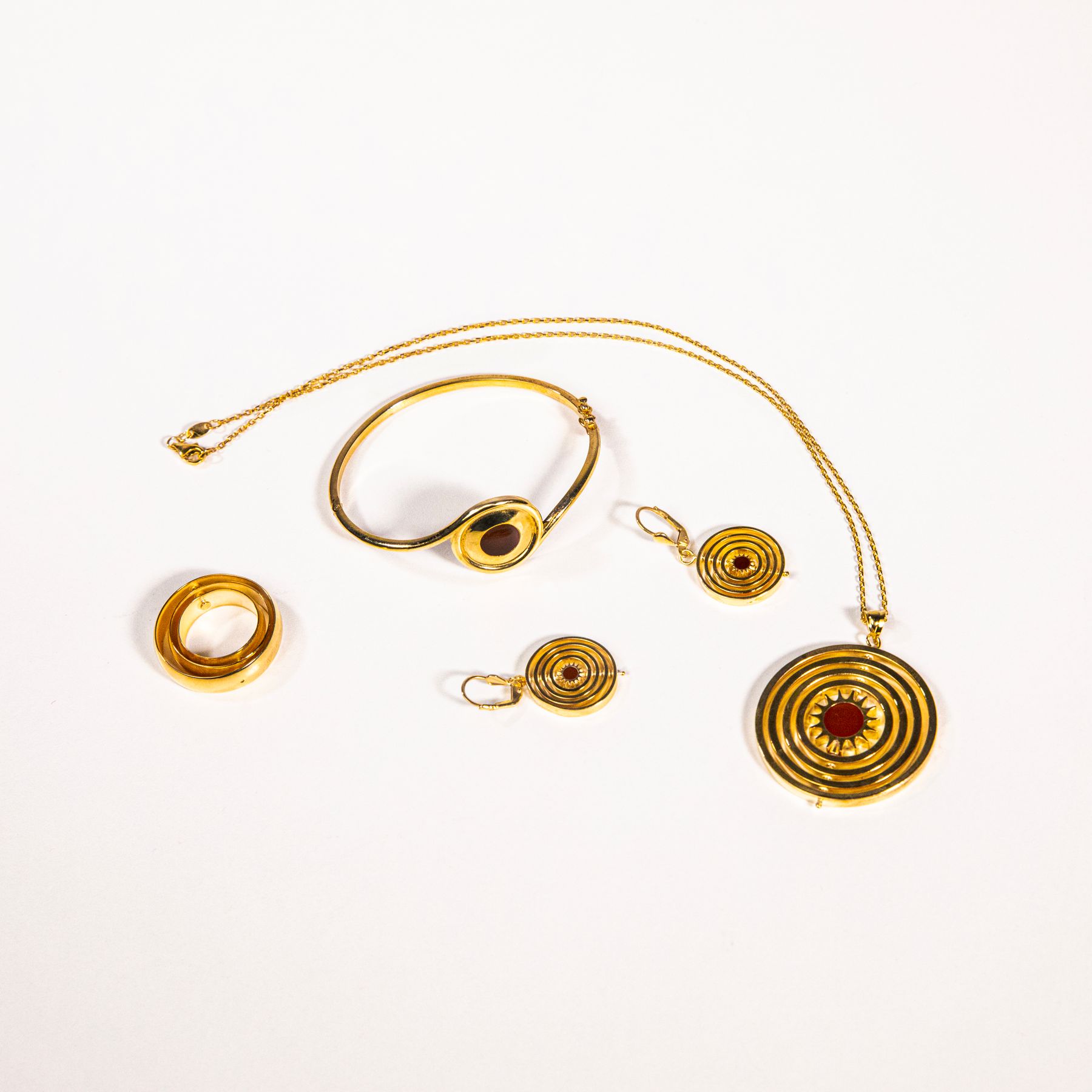
Building a Timeless Jewelry Collection
A successful jewelry collection is more than a group of attractive accessories. It is a carefully organized selection of pieces that can work across different outfits, occasions, seasons, and personal styling preferences. The strongest collections combine practical everyday designs with a few distinctive pieces that introduce character, texture, and visual interest. When every item has a purpose, choosing what to wear becomes easier and the overall wardrobe feels more refined.
Modern shoppers can explore a broad range of Jewelry & Accessories while considering factors such as proportion, color, finish, necklace length, design complexity, and compatibility with existing clothing. These details matter because jewelry is positioned close to the face and neckline, making even a relatively small accessory capable of changing the character of an entire outfit.
A professional approach begins by understanding the role of each category. An everyday chain should be easy to combine. A pendant should provide a controlled focal point. A layered set should create dimension. A pearl design can introduce classic elegance, while a gold or silver necklace can establish the primary visual tone of an outfit.
Why Timeless Jewelry Remains Valuable in a Changing Wardrobe
Fashion changes quickly, but the need for well-proportioned accessories remains consistent. Clothing silhouettes may evolve, color palettes may shift, and seasonal preferences may introduce new details, yet a carefully selected necklace can continue to complement new outfits year after year. This makes timeless jewelry particularly useful for people who prefer to build a wardrobe gradually rather than replace their accessories every season.
Timeless does not mean old-fashioned. A contemporary interpretation of a classic chain can have a clean, modern appearance while retaining the simplicity that makes classic jewelry adaptable. Similarly, a minimalist pendant can feel current because of its restrained proportions while remaining useful beyond a particular trend cycle.
The most versatile pieces tend to have a recognizable design without excessive visual complexity. Clean lines, balanced shapes, moderate scale, and carefully selected finishes make jewelry easier to coordinate with clothing. This is one reason a carefully built Jewelry & Accessories wardrobe can remain useful across different fashion periods.
Understanding the Main Necklace Categories
Necklace categories differ primarily in length, construction, visual weight, and decorative focus. Understanding these differences makes it easier to select the right piece for a particular outfit rather than choosing solely according to appearance in isolation.
A classic chain is usually valued for versatility. It can sit close to the neckline or extend slightly lower depending on its length. A pendant necklace introduces a central focal element. Layered designs create multiple visual levels, while pearl necklaces introduce a different material character through their soft and luminous surface.
The best collection often contains several of these categories because each serves a different purpose. A person who owns only statement necklaces may find everyday styling difficult, while someone who owns only extremely delicate pieces may have fewer options for outfits that need stronger definition.
Specification, Function, Features, and Styling Guide
| Jewelry Category | Primary Function | Key Feature | Visual Effect | Best Styling Role |
|---|---|---|---|---|
| Classic Gold Necklace | Reliable everyday elegance | Warm metallic appearance | Polished and refined | Daily, professional, and smart-casual outfits |
| Sterling Silver Necklace | Clean contemporary accent | Cool metallic appearance | Crisp and understated | Minimalist and modern wardrobes |
| Minimalist Pendant Necklace | Subtle focal detail | Small central pendant | Delicate and controlled | Everyday and layered looks |
| Layered Necklace Set | Visual depth | Multiple coordinated lengths | Dynamic and fashionable | Casual and contemporary styling |
| Pearl Necklace | Classic sophistication | Soft luminous surface | Elegant and distinctive | Professional, formal, and refined looks |
Choosing a Classic Gold Necklace
A Classic Gold Necklace can serve as one of the foundational pieces in a jewelry wardrobe. Its warm appearance creates an immediate sense of polish, while the simplicity of a classic silhouette allows it to work with numerous clothing styles.
When selecting a gold-toned necklace, proportion should be considered before decoration. A very fine chain can create an understated effect, while a heavier chain provides greater visual presence. Neither approach is automatically better; the appropriate choice depends on the clothing, neckline, and level of emphasis desired.
Length also changes the character of the necklace. A shorter design can frame the upper neckline, while a medium-length necklace can create a vertical line that works well with open shirts, dresses, and simple tops. Longer designs can provide more dramatic movement and may work particularly well when the clothing has a relatively simple surface.
Gold-toned jewelry is also useful for creating consistency. If other accessories use similar warm metallic details, a classic necklace can connect the elements visually. The result is often more polished than selecting each accessory independently without considering the overall composition.
Key Advantages of a Classic Gold Necklace
Versatile Foundation
A classic gold-toned necklace can function as a dependable foundation for casual, professional, and refined wardrobes.
Warm Visual Character
Warm metallic tones can introduce contrast against neutral clothing while maintaining a sophisticated appearance.
Easy Coordination
The simple structure of a classic necklace allows it to coordinate with pendants, earrings, bracelets, and other accessories.
Long-Term Use
A restrained classic design is less dependent on a particular seasonal trend and can remain relevant over time.
When a Sterling Silver Necklace Makes Sense
A Sterling Silver Necklace offers a different visual language from warm gold. Its cooler appearance can create a crisp, contemporary effect and can be especially useful in wardrobes built around black, white, gray, blue, and other cool or neutral shades.
Silver-colored jewelry can also support minimalist styling because its visual character often feels clean and controlled. A simple chain may add enough definition to a plain outfit without becoming the dominant feature. This is useful when the clothing already contains interesting textures or structured details.
Silver does not have to mean casual. A carefully proportioned silver necklace can work with tailored clothing and refined outfits. The distinction usually comes from scale, finish, and design rather than the metal color alone.
Building a collection with both warm and cool metallic options also increases flexibility. Instead of attempting to make every outfit work with the same accessory tone, the wearer can select the finish that naturally complements the clothing.
The Strategic Role of a Minimalist Pendant
The Minimalist Pendant Necklace is one of the most adaptable necklace categories because it combines the simplicity of a fine chain with a small focal detail. This gives the piece enough identity to be noticed without overwhelming the rest of the outfit.
Minimalist pendants are especially useful for everyday dressing. They can complement a simple shirt, a knit top, a blouse, or a clean dress without requiring additional accessories. Their subtle character also allows them to be worn repeatedly while changing the surrounding clothing.
The pendant itself should be considered carefully. Geometric shapes can support contemporary styling, while softer shapes can create a more delicate impression. The size should remain proportionate to the chain and the wearer's intended visual effect.
Another important advantage is layering compatibility. A minimalist pendant can become the central piece in a multi-necklace arrangement. Additional chains can sit above or below it, creating depth while preserving a clear focal point.
Creating Dimension with a Layered Necklace Set
A Layered Necklace Set can simplify a styling technique that otherwise requires considerable experimentation. Coordinated sets typically provide different lengths or complementary designs, making it easier to create visual separation around the neckline.
The primary principle of layering is spacing. If several necklaces occupy exactly the same area, the result can look crowded. When each piece has a distinct position, the eye can recognize the individual elements and understand the overall structure.
Layering also works best when there is a hierarchy. One necklace should generally serve as the dominant element, while the others provide support. This can be achieved through pendant size, chain thickness, color, or placement.
Clothing plays an equally important role. Simple tops provide a clean background for layered necklaces, while heavily patterned garments may require a more restrained arrangement. The goal is to create balance rather than maximum decoration.
Exploring Jewelry & Accessories Brands
Comparing Jewelry & Accessories Brands can help shoppers understand the differences between design philosophies. Some collections emphasize minimalism, others focus on classic silhouettes, and some offer more contemporary combinations designed around layering and visual experimentation.
A professional comparison should consider more than the appearance of a single item. Look at the overall range, consistency between designs, available necklace lengths, material descriptions, care guidance, and the variety of pieces that can be combined.
It is also useful to examine whether a brand offers both foundational and accent pieces. A collection with only statement jewelry may look impressive but provide limited everyday flexibility. A collection with only basic chains may lack the variety needed for special occasions.
The Enduring Appeal of a Pearl Necklace
A Pearl Necklace adds a material character that differs from polished metal. Pearls reflect light softly and introduce a rounded, organic visual texture that can make an outfit feel more refined.
Pearl jewelry is often associated with classic styling, but its use does not have to be restricted to formal clothing. A shorter pearl necklace can complement a simple blouse or tailored outfit, while a more contemporary pearl arrangement can work with modern clothing.
Size and spacing influence the final impression. Smaller pearls can create a subtle effect, while larger pearls become a stronger visual element. The appropriate choice depends on the garment, occasion, and desired level of emphasis.
Pearls can also be useful for creating contrast within a broader jewelry collection. If most pieces are metallic, introducing pearls creates material variation and expands the number of visual combinations available.
How to Choose Jewelry by Face and Neckline Proportion
Jewelry sits close to the face, which makes proportion especially important. The necklace length can influence the vertical appearance of the upper body, while the pendant size can determine how much attention is directed toward the center of the outfit.
Open necklines provide more visible space for necklaces. V-shaped garments naturally complement pendants that follow a vertical line, while rounded necklines can work well with shorter chains or curved designs. High necklines may require longer necklaces to create visual separation.
These are styling frameworks rather than rigid rules. Personal preference remains important. The purpose of analyzing proportions is to understand why certain combinations feel balanced and to make intentional decisions rather than relying entirely on guesswork.
Choosing Necklace Length Professionally
Necklace length is one of the most influential design characteristics. Shorter necklaces tend to emphasize the upper neckline, while medium lengths create a more versatile position. Longer necklaces introduce greater vertical movement and can become an important part of the outfit's silhouette.
Before choosing a length, consider the clothing most commonly worn. Someone who frequently wears open shirts may benefit from medium-length necklaces. Someone who prefers crew-neck tops may find shorter or longer designs more useful depending on the desired contrast.
Layering also requires careful length selection. Two necklaces that differ only slightly may overlap visually, while clearly separated lengths create a more organized arrangement. This is why coordinated sets can be particularly useful for shoppers who want layered styling without extensive trial and error.
Matching Jewelry with Clothing Colors
Color coordination does not require every accessory to match the clothing exactly. In many cases, contrast produces a more sophisticated result. Warm metallic jewelry can stand out against dark neutral clothing, while silver can create a crisp effect against deeper cool colors.
Neutral wardrobes provide particularly broad opportunities because gold, silver, pearls, and mixed finishes can all be incorporated. Strong clothing colors may require more careful accessory selection so the jewelry does not compete with the garment.
The overall objective is visual hierarchy. If the clothing is highly colorful or patterned, a simpler necklace may create better balance. If the outfit is monochromatic, jewelry can provide a controlled focal point.
Creating an Everyday Jewelry Uniform
Many well-dressed people benefit from having a repeatable jewelry formula. This might involve a favorite necklace worn with simple earrings or a consistent combination of a chain and pendant. Creating such a formula reduces daily decision-making while maintaining a polished appearance.
An everyday jewelry uniform should be comfortable, easy to coordinate, and appropriate for a wide range of settings. This is where a classic necklace or minimalist pendant can become particularly valuable.
The formula can then be adjusted for different occasions. The everyday necklace might be replaced by a pearl design for a refined event, or a second necklace might be added for a layered appearance. The underlying structure remains consistent, making the wardrobe easier to manage.
Professional Jewelry for Work and Business Settings
Professional environments generally benefit from jewelry that supports the overall appearance without overwhelming it. Moderate proportions, clean finishes, and controlled detailing can contribute to a polished presentation.
A classic gold or silver necklace can provide a consistent finishing detail with tailored clothing. A minimalist pendant can add individuality while remaining understated. Pearls can create a particularly refined effect when the clothing has a classic or structured character.
When selecting professional accessories, consider movement and comfort as well. Jewelry that requires frequent adjustment may become distracting. A well-designed necklace should remain reasonably secure and comfortable during normal daily activity.
Styling Jewelry for Special Occasions
Special occasions allow greater freedom to use jewelry with stronger visual presence. However, more decoration does not always produce a more elegant result. A single well-chosen focal necklace can often create greater impact than several competing accessories.
Start with the neckline and garment structure. If the outfit already contains decorative details near the neck, a simpler necklace may be more effective. If the clothing is relatively plain, a more prominent necklace can provide the visual focus.
Coordinating the rest of the accessories around the primary necklace creates hierarchy. Earrings, bracelets, or rings can support the main piece without competing for attention.
How to Combine Classic and Contemporary Jewelry
A sophisticated collection does not need to follow one design era. Classic pieces can provide stability, while contemporary designs introduce freshness. The combination can feel particularly effective when the pieces share at least one visual characteristic.
For example, a classic pearl necklace can be combined with simple contemporary earrings. A traditional chain can be paired with a modern geometric pendant. A minimalist necklace can be layered with a slightly more decorative piece.
The key is to avoid accidental combinations. Repetition of metal tone, scale, shape, or spacing helps the collection feel curated. When the differences are intentional, contrasting styles can strengthen one another.
How to Build a Jewelry Collection Step by Step
Start with one dependable piece that matches the majority of the wardrobe. For many shoppers, this could be a classic chain. Next, introduce a design with a different visual function, such as a minimalist pendant.
The third step can involve adding a different metal appearance. If the collection is dominated by warm tones, consider a silver option. If silver dominates, a gold-toned necklace can create useful variation.
After the foundations are established, consider specialized categories. A layered set can provide greater styling flexibility, while pearls can introduce a classic material contrast.
This process prevents the collection from becoming repetitive. Every purchase has a clear role, and the result is a wardrobe that offers more combinations without requiring excessive quantity.
Key Features to Evaluate Before Purchasing
Length
Confirm that the necklace length suits the clothing styles and necklines most frequently worn.
Visual Weight
Consider whether the chain and pendant are subtle, moderate, or visually dominant.
Finish
Look at the described finish and determine whether it complements existing accessories.
Purpose
Define whether the item is intended for everyday wear, professional styling, layering, or special occasions.
Jewelry as a Tool for Personal Branding
Accessories can contribute to a recognizable personal style because they are often repeated across outfits. A consistent jewelry preference can become part of someone's visual identity without requiring dramatic clothing choices.
A signature necklace, for example, can create continuity between different outfits. The clothing can change while the accessory remains recognizable. This is particularly useful for people who prefer a consistent and polished appearance.
Personal branding through accessories does not mean wearing the same item every day. It means establishing a recognizable design direction. This might be minimalist, classic, contemporary, layered, or centered around particular materials.
Smart Shopping and Avoiding Repetition
Before purchasing another necklace, review the pieces already owned. If several items have the same length, finish, and visual weight, another similar piece may provide little additional versatility.
Instead, identify a missing category. Perhaps the wardrobe has several delicate necklaces but no stronger design. Perhaps there are many gold pieces but no silver option. Or perhaps there are everyday chains but no formal necklace.
This approach turns shopping into collection development. Each purchase becomes an opportunity to expand the range of possible outfits rather than simply increasing the number of accessories.
Care and Storage for Necklace Collections
Proper storage is essential for maintaining an organized jewelry wardrobe. Necklaces can become tangled when stored together without separation, especially when multiple chains have different thicknesses and lengths.
A practical storage system keeps frequently worn pieces easy to access while protecting delicate designs. Separate compartments, hooks, pouches, or organized displays can reduce unnecessary contact between pieces.
Care instructions should always be considered according to the specific jewelry material and finish. Different surfaces may have different cleaning requirements, so a universal method should not automatically be applied to every item.
Periodic inspection is also beneficial. Examine clasps, chain connections, pendants, and other attachment points. Small issues are easier to address before they become larger problems.
How Jewelry Changes the Perception of a Simple Outfit
A simple outfit can provide an excellent background for jewelry. When clothing has limited visual decoration, the necklace becomes an intentional point of interest. This allows accessories to perform a larger styling role without requiring complicated garments.
A classic chain can add polish to a basic top. A pendant can introduce a focal detail. Layering can create depth, while pearls can introduce a distinctive surface. The clothing remains simple, but the overall outfit gains structure.
This approach is particularly practical for capsule wardrobes. Instead of purchasing many clothing variations, accessories can be used to create different visual combinations from the same foundational garments.
Jewelry for Minimalist Wardrobes
Minimalist wardrobes often benefit from accessories that follow the same design philosophy. Simple chains, controlled pendants, and clean metallic finishes can reinforce the overall aesthetic.
However, minimalist does not mean every accessory must be identical. A pearl necklace can provide a softer contrast, while a slightly stronger chain can introduce variation without disrupting the clean character of the wardrobe.
The best results come from maintaining proportion. A highly decorative necklace may overpower a minimalist outfit, while an extremely delicate piece may disappear. Medium-scale designs can often provide a practical balance.
Jewelry for Layered and Contemporary Styling
Contemporary styling often uses layering to create a more dimensional appearance. The technique works because necklaces can occupy different visual levels, producing movement around the neckline.
A useful layered composition may begin with a short chain, followed by a minimalist pendant, and then a longer decorative necklace. The exact arrangement can change according to the garment and desired visual effect.
A coordinated Layered Necklace Set can make this process easier because the pieces are designed to cooperate rather than compete.
How to Select Jewelry for Different Wardrobe Personalities
A classic wardrobe often benefits from traditional silhouettes and refined finishes. A modern minimalist wardrobe may favor clean lines and restrained pendants. A more expressive wardrobe can support layered combinations and stronger decorative elements.
The purpose of matching jewelry to wardrobe personality is not to restrict creativity. It is to make the collection feel coherent. When accessories share the general language of the clothing, even simple pieces can look intentional.
Shoppers can also use jewelry to introduce contrast. Someone with highly structured clothing might choose a softer pearl necklace. Someone with very simple clothing might introduce a stronger chain. Contrast can create visual interest when controlled carefully.
Creating a Balanced Jewelry Rotation
A jewelry rotation helps prevent favorite pieces from becoming the only pieces that are worn. Divide the collection into practical groups such as everyday, professional, layered, formal, and seasonal.
This system makes it easier to identify what is missing. If the everyday category is full but the formal category is limited, future purchases can focus on formal designs rather than adding another everyday necklace.
Rotation also extends the usefulness of a collection. Different pieces receive attention at different times, allowing the wearer to rediscover designs that may have been overlooked.
Professional FAQ Cards
What is the best way to start a jewelry collection?
Begin with a versatile everyday necklace and then add pieces that provide different visual functions. A minimalist pendant, an alternative metal finish, a layered option, and a pearl design can gradually create a balanced collection.
Explore Jewelry & Accessories to review different categories.
Why choose a classic gold necklace?
A classic gold-toned necklace provides warmth and versatility. It can complement neutral clothing, professional outfits, simple dresses, and everyday wardrobes.
Browse the Classic Gold Necklace category for classic styling options.
Is silver jewelry suitable for professional clothing?
Yes. A clean silver-toned necklace can complement tailored clothing and minimalist professional outfits. The appropriate design depends on proportion, finish, and the desired level of visual emphasis.
Consider the Sterling Silver Necklace category.
What makes a minimalist pendant versatile?
Its restrained size and clean design make it easy to coordinate with different clothing styles. It can be worn alone or used as the focal point of a layered arrangement.
Explore the Minimalist Pendant Necklace category.
Are layered necklaces suitable for everyday wear?
They can be. The most practical layered combinations use comfortable pieces with enough separation to prevent visual crowding and excessive tangling.
A coordinated Layered Necklace Set can simplify the process.
How should jewelry brands be compared?
Consider design consistency, available categories, product details, sizing information, care guidance, and whether the collection contains both foundational and statement pieces.
Browse Jewelry & Accessories Brands to explore different design directions.
Can a pearl necklace be worn with modern clothing?
Absolutely. Pearls can create an interesting contrast against modern minimalist clothing, tailored pieces, simple knitwear, and monochrome outfits.
See the Pearl Necklace collection for inspiration.
How many necklaces are enough?
There is no universal number. A useful collection is determined by variety of function rather than quantity. Several pieces with clearly different purposes can provide more value than many nearly identical necklaces.
Review Jewelry & Accessories categories to identify useful gaps.
Can gold and silver be combined?
Yes. Mixed-metal styling can work when the combination is deliberate. Repeating the combination across more than one accessory can make the overall appearance feel coordinated.
Different Jewelry & Accessories Brands may offer complementary designs.
What necklace works well as a daily signature?
A comfortable, moderately proportioned design that works with multiple necklines is usually a practical choice. A classic chain or minimalist pendant can serve this role effectively.
A Classic Gold Necklace can provide a timeless foundation.
How can a minimalist necklace be styled differently?
Wear it alone for an understated appearance, pair it with another chain for additional depth, or combine it with a pendant of different length to create a layered focal point.
Explore a Minimalist Pendant Necklace.
How should necklaces be stored?
Store chains separately whenever possible to reduce tangling. Frequently worn pieces should be easy to access, while delicate designs should receive additional protection from contact with other jewelry.
A well-organized Jewelry & Accessories collection is easier to maintain and rotate.
A Practical Jewelry Styling Checklist
- Identify the main purpose of the necklace before purchasing it.
- Check the necklace length against the necklines most frequently worn.
- Compare the visual weight of the chain with the size of the pendant.
- Choose warm or cool metallic finishes according to the wardrobe when appropriate.
- Keep layered necklaces separated enough to remain visually distinct.
- Use minimalist designs when the clothing already contains strong visual details.
- Use stronger necklaces when the outfit is intentionally simple.
- Consider pearls when a soft, classic material contrast is desirable.
- Review existing accessories before purchasing a similar piece.
- Store delicate chains separately to reduce tangling.
- Follow the specific care instructions associated with each jewelry item.
- Build variety through different functions rather than unnecessary quantity.
How to Make Jewelry Purchases More Strategic
A strategic purchase begins with a clear question: what will this piece add to the collection? If the answer is another version of something already owned, it may be more useful to explore a different category. This simple question can dramatically improve the balance of a jewelry wardrobe.
For example, someone with multiple everyday chains might benefit from a layered set. Someone with many warm metallic pieces might add a silver necklace. Someone with minimalist accessories might introduce pearls for a different texture.
Strategic shopping also means considering how frequently the piece can be worn. A design that works with ten outfits may offer greater practical value than one that works with only one specific combination. This does not make specialized jewelry unnecessary; it simply clarifies its role.
The Importance of Visual Hierarchy
Visual hierarchy determines where the eye goes first. In jewelry styling, the primary necklace can establish the main focal point, while other accessories provide supporting details.
When everything is equally prominent, the outfit can feel visually busy. When one element leads and the others support it, the result is easier to understand. This principle applies to single necklaces, layered sets, and combinations involving earrings or bracelets.
Hierarchy can be created through size, color, shine, pendant shape, placement, and contrast. A small pendant on a fine chain may be the focal point of a minimalist outfit, while a larger necklace may take the lead in a more understated wardrobe.
Using Jewelry to Refresh Existing Clothes
Accessories can extend the usefulness of clothing already in the wardrobe. The same simple dress can appear different when paired with a classic gold chain, a silver necklace, a pearl design, or a layered arrangement.
This makes jewelry particularly useful for people who prefer efficient wardrobes. Instead of relying entirely on new garments to create variety, accessories can change the visual emphasis of existing pieces.
The approach works best when the jewelry collection contains genuinely different visual functions. If every necklace produces the same effect, changing accessories will have limited impact.
Building a Collection Around Core Pieces
Core pieces form the foundation of a collection. They should be easy to wear, easy to coordinate, and suitable for repeated use. Classic chains and minimalist pendants often perform this role effectively.
Supporting pieces add variation. Layered necklaces introduce dimension, pearls add material contrast, and different metallic finishes create additional color options.
Accent pieces provide the strongest visual differentiation. They may have unusual shapes, larger proportions, or more decorative details. Because their role is more specialized, fewer accent pieces are usually needed.
Modern Jewelry and the Value of Simplicity
Simplicity has become an important characteristic of modern accessory design because simple pieces can adapt to more situations. A restrained necklace can move from casual clothing to professional styling without requiring significant changes.
This does not mean decorative jewelry has lost its place. Instead, modern collections increasingly benefit from contrast. Simple pieces create a foundation, while more expressive designs provide opportunities for experimentation.
The most flexible wardrobes therefore contain both. A shopper can rely on a minimalist necklace for everyday dressing and introduce a layered arrangement when a stronger visual statement is desired.
Why Jewelry Should Be Selected as Part of the Whole Outfit
Jewelry is most effective when considered alongside the entire outfit. Necklace shape, length, color, and scale should relate to clothing rather than being selected completely independently.
A simple outfit can support a stronger necklace. A detailed outfit may benefit from a quieter piece. A monochromatic wardrobe can use jewelry as a controlled source of contrast, while colorful clothing may call for a more restrained accessory.
This holistic approach is one of the main differences between simply wearing jewelry and styling jewelry. Styling involves understanding how every component contributes to the final visual result.
Long-Term Value of a Carefully Curated Collection
A carefully curated collection becomes easier to use over time because the wearer understands the role of every piece. Instead of opening a jewelry box filled with unrelated items, the collection becomes a practical toolkit.
This organization also makes future purchases easier. When a new piece is considered, it can be compared with the existing categories. If it fills a genuine gap, it can strengthen the collection. If it duplicates an existing function, the shopper can make a more informed decision.
Over time, this creates a jewelry wardrobe that reflects personal taste while remaining practical. The collection becomes a combination of reliable essentials and carefully selected accents rather than a random accumulation of accessories.
Keyword-Focused Jewelry Collection Guide
A professional Jewelry & Accessories collection can be built around several complementary categories. A Classic Gold Necklace provides warmth and timeless appeal, while a Sterling Silver Necklace offers a cooler contemporary alternative.
A Minimalist Pendant Necklace works as an understated focal point, while a Layered Necklace Set adds depth and dimension. A Pearl Necklace introduces a classic material contrast, and exploring different Jewelry & Accessories Brands can reveal different design approaches.
The strongest collection is not necessarily the largest. It is the one where each piece contributes a distinct styling function and can be combined naturally with the clothing and accessories already owned.
Final Professional Framework for Selecting Necklaces
Before selecting a new necklace, evaluate five areas: purpose, proportion, compatibility, versatility, and visual character. Purpose answers why the piece is needed. Proportion determines whether the necklace works with the wearer and clothing. Compatibility considers how it interacts with existing accessories. Versatility measures how many situations it can serve. Visual character determines the impression it creates.
This framework helps transform jewelry shopping into a more intentional process. Rather than choosing an item solely because it looks attractive in a product image, the shopper can consider how it will function within a real wardrobe.
A collection built with this approach can contain classic gold, cool silver, minimalist pendants, layered necklaces, and pearls without appearing inconsistent. The differences become useful because each category serves a different purpose.
Ultimately, professional jewelry styling depends on balance. The strongest combinations are those in which the accessory supports the clothing, the proportions feel intentional, and every decorative element has enough space to be appreciated. With a clear understanding of necklace categories and a deliberate approach to collection building, jewelry becomes a practical part of personal style rather than a collection of disconnected decorative items.

Comments
Post a Comment